
The Perils of Being Just Political Opposition: What History and Today Teach Us
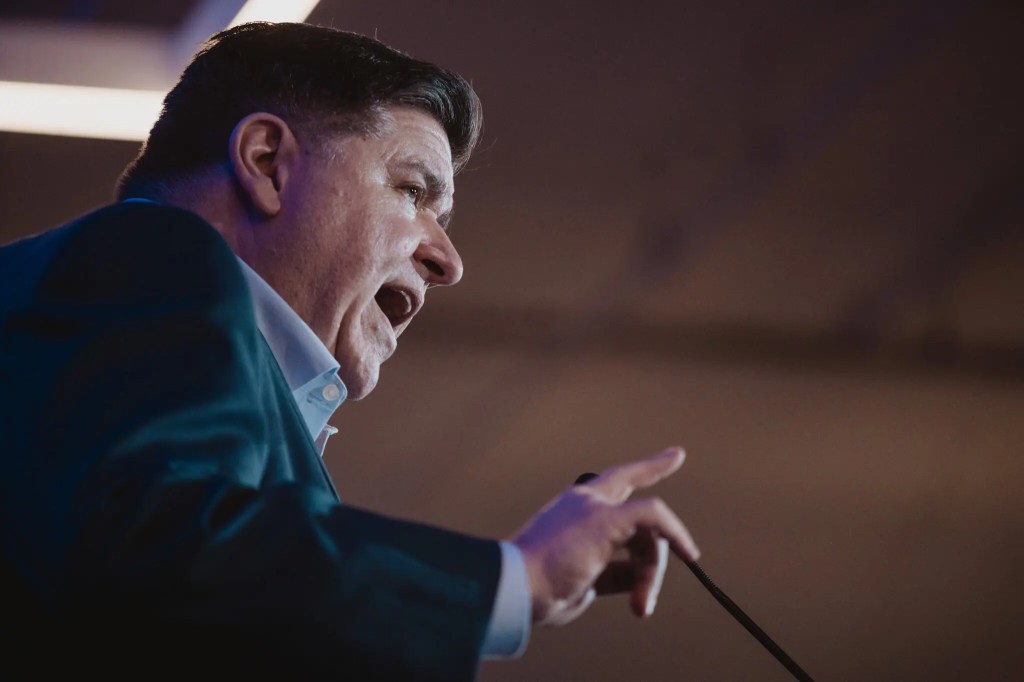
There has been a change in the Democratic Party as its leaders shift from trying to find common ground with Republicans to standing firmly against it. That shift burst dramatically into the open when Democratic Illinois governor J.B. Pritzker gave a barn-burning speech to Democrats. Pritzker urged Democrats to stop listening to “do-nothing political types” who are calling for caution at a time when Americans are demanding urgent action, and to “fight—EVERYWHERE AND ALL AT ONCE.”
In any healthy democracy, opposition parties are crucial. They scrutinize power, challenge complacency, and offer voters choice. But when a political movement defines itself solely by what it’s *against*—without offering a clear, constructive alternative—it risks irrelevance, public distrust, and even national instability.
Both history and the present moment show that opposition without vision is not enough. Being in opposition is more than disagreeing with the government. When that disagreement becomes the entire identity of a movement, several problems arise:
- Public Trust Erodes – Criticism without solutions looks like negativity. Voters want to know not just what you oppose—but what you would *do differently*.
- Obstructionism Over Progress – Endless roadblocking of policies without proposing alternatives makes a party look like a hindrance, not a leader.
- Internal Fractures Widen – When opposition is the only glue, differing ideologies pull the group apart once that shared enemy loses focus.
- Incumbents Look Stronger – In contrast to a disjointed opposition, even flawed governments can appear as the only stable, forward-moving option.
History teaches us the pitfalls of a movement focused solely on political opposition. Consider the following examples of when opposition falls short:
Modern Examples of Ineffective Opposition:
- The GOP Under Biden (2021–2024) – When President Biden took office, the Republican Party often focused on opposing his policies—from climate initiatives to student loan relief—without presenting a unified alternative. Coupled with internal divides (MAGA-aligned vs. traditional conservatives), this approach limited the party’s appeal outside its base.
- UK Labour Party in the 2010s – During nearly a decade of Conservative rule, Labour under Jeremy Corbyn loudly opposed austerity and Brexit. But critics pointed to a lack of practical, unified plans—especially around the economy and governance. The Labour Party suffered a crushing defeat in the 2019 election as a result, losing key “Red Wall” seats.
Historical Lessons from Ineffective Opposition:
- French Monarchists After 1871 – After the fall of Napoleon III, monarchists in France controlled early parliaments but couldn’t agree on “which” royal family should return. They hated the republic—but had no unified vision for what should replace it. As a result, the French Republic stabilized, and monarchism faded.
- Weimar Germany’s Extremes – During the fragile Weimar Republic, many groups opposed democracy itself—Nazis on the right, Communists on the left. Moderate parties failed to unite behind a pro-democracy agenda. As a result, voter disillusionment led to the rise of Hitler and the collapse of democracy.
What Real, Constructive Opposition Looks Like
Opposition can be powerful—when it offers more than outrage. Constructive opposition:
- Proposes clear, realistic alternatives
- Maintains internal unity
- Communicates a vision people can believe in
- Demonstrates it’s ready to govern, not just critique
In conclusion, being “against” something may build energy—but without a vision, it rarely builds power. Voters want more than outrage. They want answers.
History teaches us this: if you want to lead, you need more than criticism—you need a plan.

 The Centerline Report
Leave a comment