Why Political Journalism Needs Unnamed Sources—And Why “Everyone Is Saying” Isn’t One
In the high-stakes world of politics, access to truthful information often hinges on sources who are afraid to speak publicly. That’s why unnamed confidential sources remain a vital tool in political journalism. Without them, much of what we know about government misconduct, internal dysfunction, and abuse of power would stay buried. Responsible reporters don’t grant anonymity lightly—they use it to protect whistleblowers, not to avoid accountability.
Historically, anonymous sources have been central to some of journalism’s most important breakthroughs. “Deep Throat,” the confidential source behind the Watergate investigation, helped bring down a president. Leaks behind the Pentagon Papers exposed decades of U.S. government deception about the Vietnam War. More recently, unnamed sources provided insight into the chaotic inner workings of the Trump White House, including efforts to overturn the 2020 election—accounts that were later corroborated with documents and public testimony.
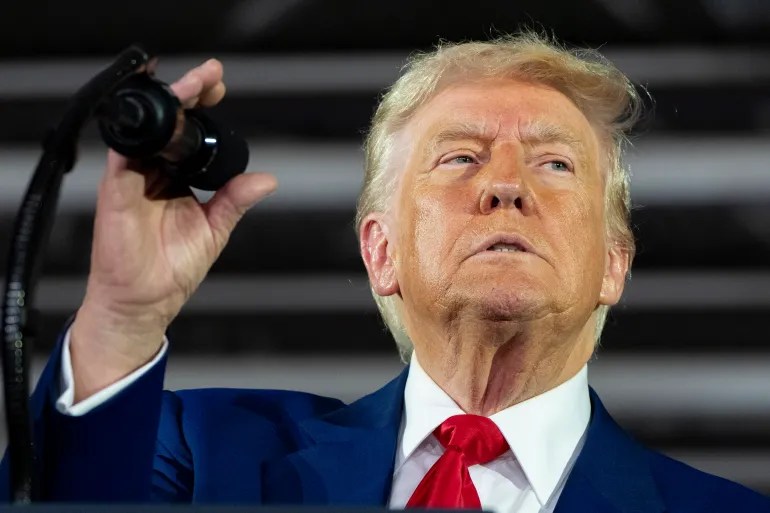
“This is the best, they say, 100-day start of any president in history, and everyone is saying it.” – Donald Trump, April 29, 2025
Yet while journalists work to verify and vet anonymous information, politicians like Donald Trump have adopted their own version of anonymity—one without any accountability. Trump frequently made claims using phrases like “a lot of people are saying” or “everyone agrees with me.” These vague assertions mimic the weight of sourced reporting but lack any of the verification, transparency, or journalistic rigor. It’s rhetorical sleight of hand designed to create the illusion of truth without evidence.
This contrast matters. While some criticize the use of anonymous sources in journalism, dismissing it as rumor or agenda-driven, the real danger lies in equating that with political figures inventing consensus out of thin air. Responsible news organizations often explain why a source was granted anonymity and corroborate their claims with multiple independent confirmations. In contrast, political appeals to vague public opinion go unchecked, feeding disinformation and tribalism.
In a time when public trust in media and government is fragile, we need to be more discerning—not less. Unnamed sources, used ethically, help shine light in places where power would prefer darkness. The problem isn’t anonymity; it’s how it’s used. One protects the truth. The other distorts it.
 The Centerline Report
Leave a comment